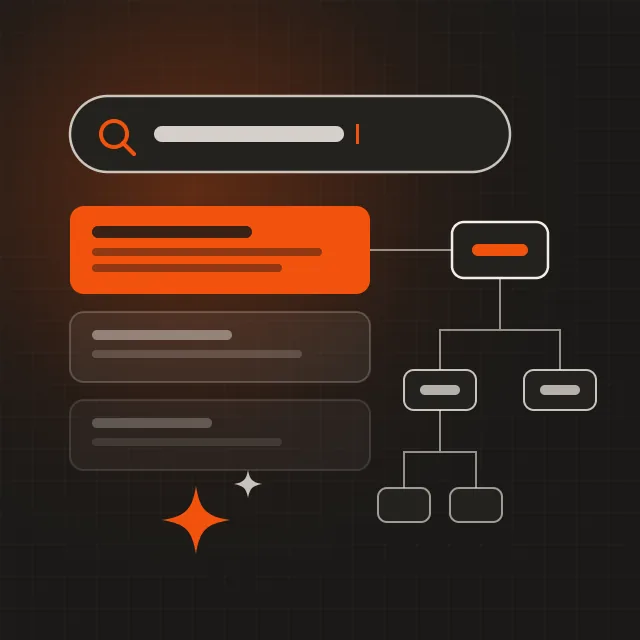
More and more searches end with an answer instead of a list of links. Google shows AI Overviews, and many users ask AI assistants directly. For businesses this raises a practical question: how does your website become a source those answers are built from? That is what AI SEO is about.
What Google actually says
Google’s documentation states that there are no additional requirements to appear in AI features in Search: no special file, no special markup and no “AI optimisation” beyond core SEO practices. A page has to be indexed and eligible to be shown in search results. For us, AI SEO is therefore not a trick but well-executed SEO, applied consistently.
Six things we check on every website
- Answers to real questions. Service pages and FAQs answer what customers actually ask: what is included, who it is for and how the collaboration works.
- Clear structure. One H1, logical subheadings, short paragraphs and lists — content that is easy to read and easy to extract.
- Technical accessibility. A correct robots.txt, a sitemap, canonical URLs, fast loading and content that is not hidden behind scripts.
- A clear entity. Who is behind the website, where it operates, how to get in touch and which references are real.
- Structured data. Schema helps search engines understand a page — but only when it matches the visible content.
- Freshness. Prices, offers and contact details that are accurate today, not two years ago.
What we do not promise
No one can guarantee that a particular page will be cited in an AI answer. That is why we do not sell “AI rankings” or add hidden content meant only for bots. An llms.txt file can be a useful addition, but it is no substitute for accessible, high-quality content.
How we measure progress
Google Search Console remains the primary source: impressions, clicks and the queries a site appears for. Alongside it we track the quality of enquiries that come through the website — because the goal is more of the right customers, not just more visits.
How the Ald1n team approaches AI SEO
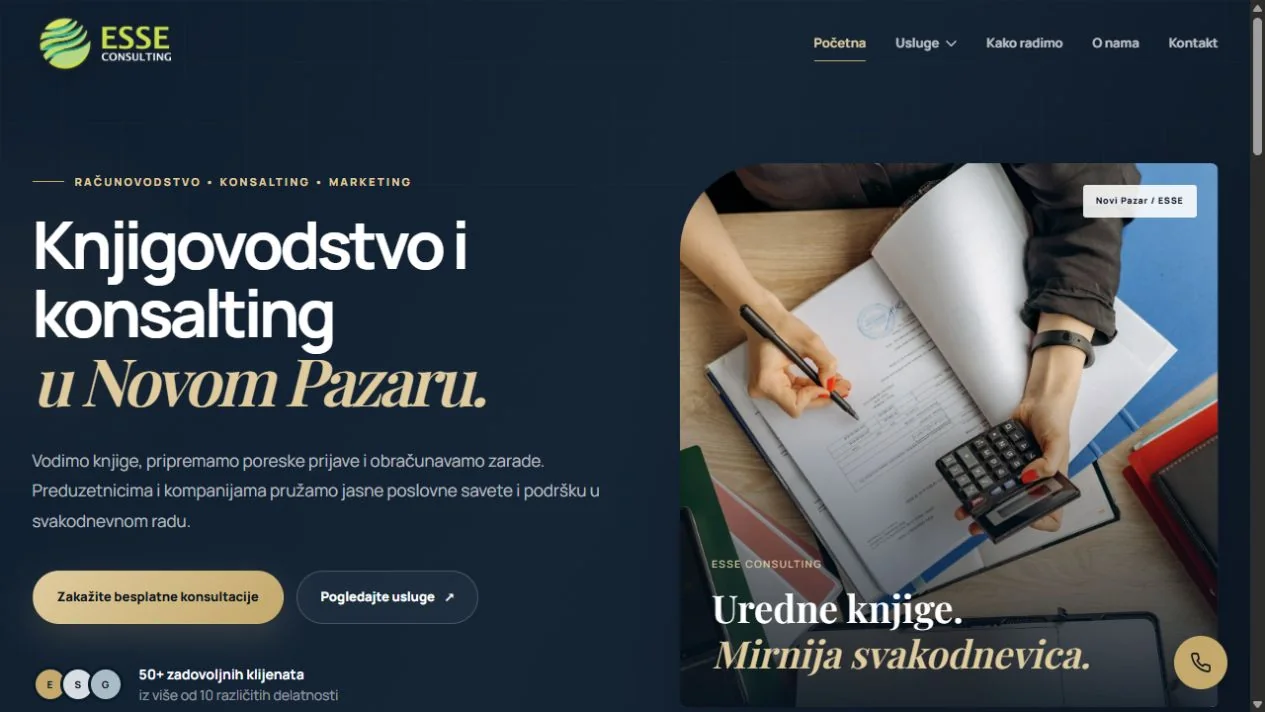
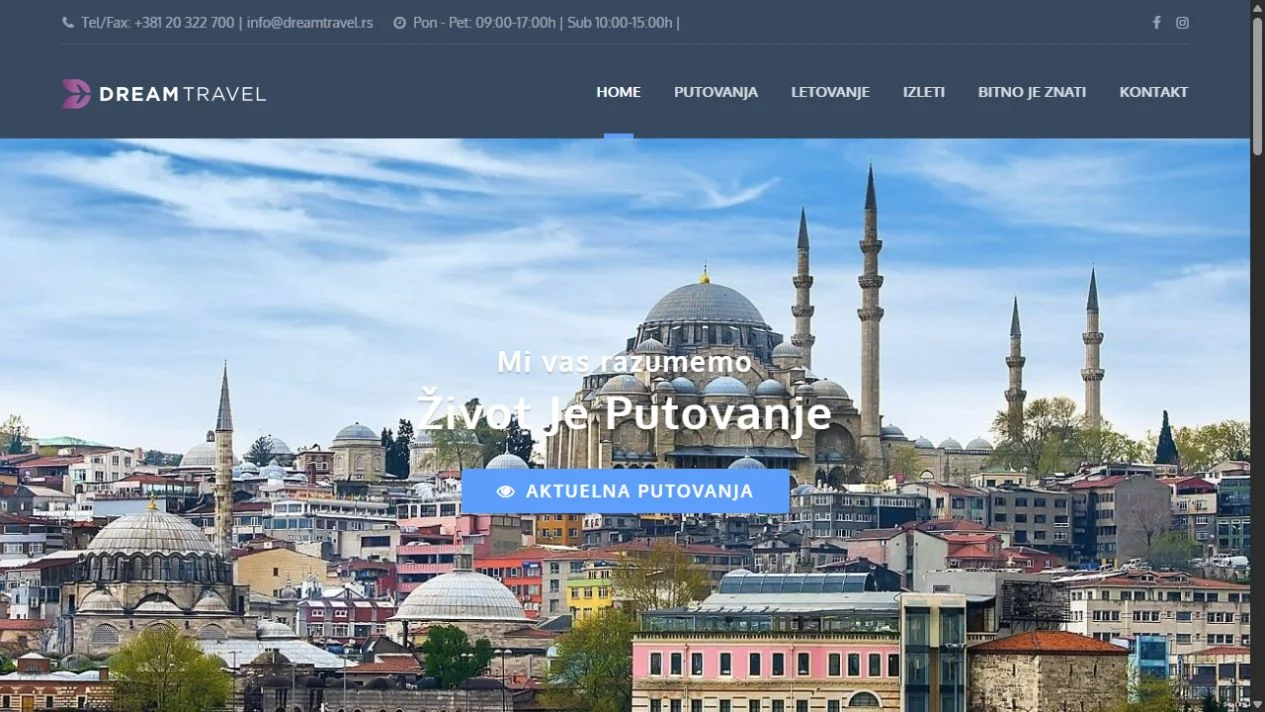
On every project we start with a technical and content review, then refine the structure and the service copy, and only then add structured data and FAQs. We applied the same approach to this website, in all three languages.